From hair trials and spray tans to breakfast and last-minute beauty changes, four experts share the wedding beauty habits worth embracing – and the mistakes to avoid

Glasgow-based makeup artist Nicole Young
There’s no shortage of wedding beauty advice online. Every scroll brings another trending makeup look, miracle skincare product or fitness routine promising to have you looking your best by the big day.
But bridal beauty is rarely about last-minute fixes or trying every trend at once. The best results usually come from good preparation, realistic expectations and routines that help you feel healthy, confident and like yourself.
We asked hairstylists Maureen Crolla of The Bride to Be and Helen Livingstone, makeup artist Nicole Young, and bridal fitness and wellness coach Lisa Scott for the bridal beauty dos and don’ts they want nearly-weds to know.
When should you start preparing your hair, skin and wellbeing for your wedding?
The earlier you start, the more time you have to build healthy routines and make beauty decisions without last-minute pressure.
Preparation is one of the biggest themes running through all four experts’ advice.
For Helen Livingstone, that starts with hair health. Investing in good-quality shampoo, conditioner and treatments in the months before the wedding can make hair easier to style and help the finished look last throughout the day.
If you’re considering clip-in extensions for extra volume or length, it’s also worth exploring these before your trial rather than making the decision close to the wedding.
Lisa Scott recommends taking the same long-term approach to wellbeing. Instead of chasing dramatic transformations, focus on nourishing meals, good hydration, regular movement and quality sleep.
Those habits can support energy levels, skin health and confidence without adding more pressure to the wedding countdown.
When should you book your wedding hair trial?
Around six to eight weeks before the wedding is a useful window for a bridal hair trial.
Maureen Crolla of The Bride to Be recommends booking at this stage so there is enough time to make adjustments without encouraging unnecessary last-minute changes.
A trial is also a chance to work out not only what looks good, but what actually feels comfortable.
Helen suggests saving images of hairstyles you genuinely like before the appointment, while also thinking honestly about how you normally wear your hair.
If you never feel comfortable with your hair swept up, for example, your wedding day may not be the best time to experiment with a dramatic updo purely because it's trending.

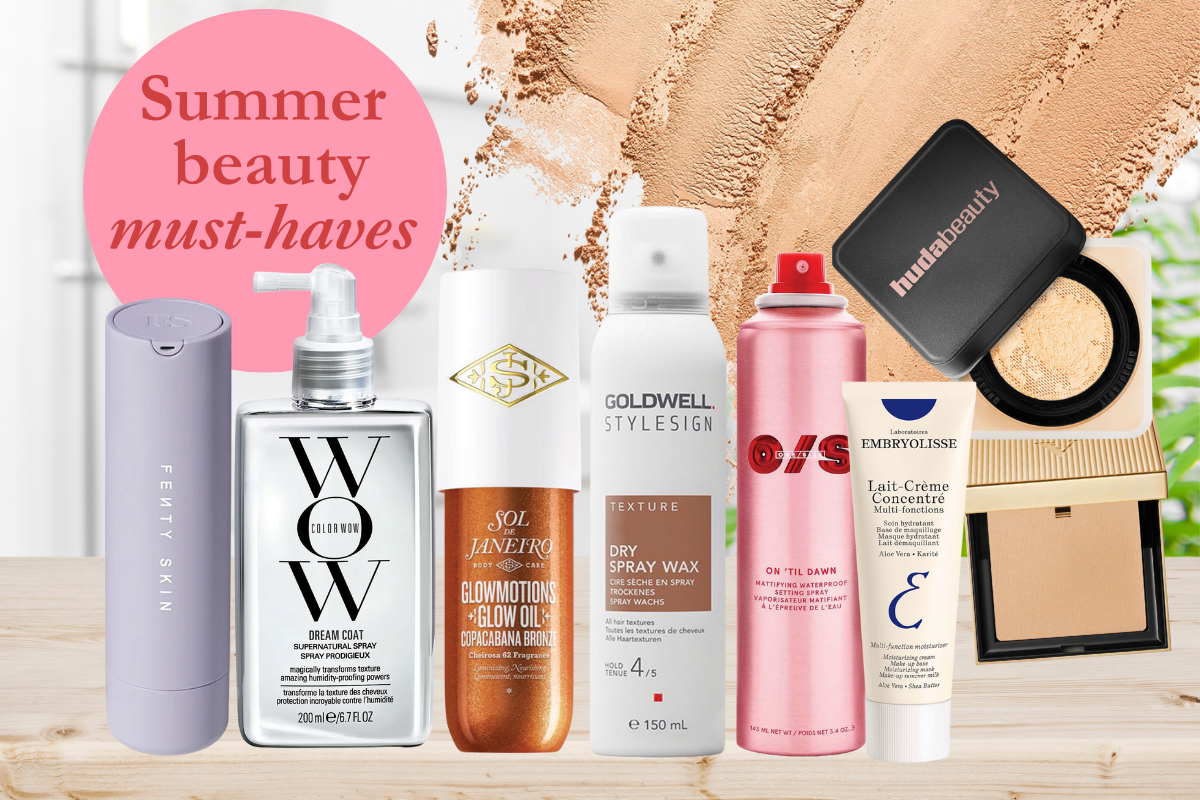
Helen Livingstone recommends investing in quality products. "I love the Colour Wow range – especially the Dream Coat Supernatural Spray and Dream Cocktail," she says, "And for sulphate-free shampoo and conditioner, the IQ Intelligent Haircare range is lovely." (Photo: Mairi Tiffoney Photography)
What should you wear to a bridal hair and makeup trial?
Wear something that gives you a realistic idea of how the finished beauty look will work with your wedding outfit.
Helen recommends wearing a top with a similar neckline and colour to your wedding dress or outfit.
If possible, she also suggests arranging your hair and makeup trials on the same day.
Seeing both together can make it much easier to judge whether the overall look feels balanced and true to you.
Should you trial your spray tan before your wedding?
Yes, particularly if you're planning to wear fake tan on the wedding day.
Nicole Young recommends arranging a spray-tan trial alongside your makeup trial where possible.
That allows your makeup artist to see the colour your skin will actually be on the day and choose foundation and other products accordingly.
It also gives you time to decide whether you are happy with the shade before the wedding rather than discovering afterwards that it looks different from what you expected.

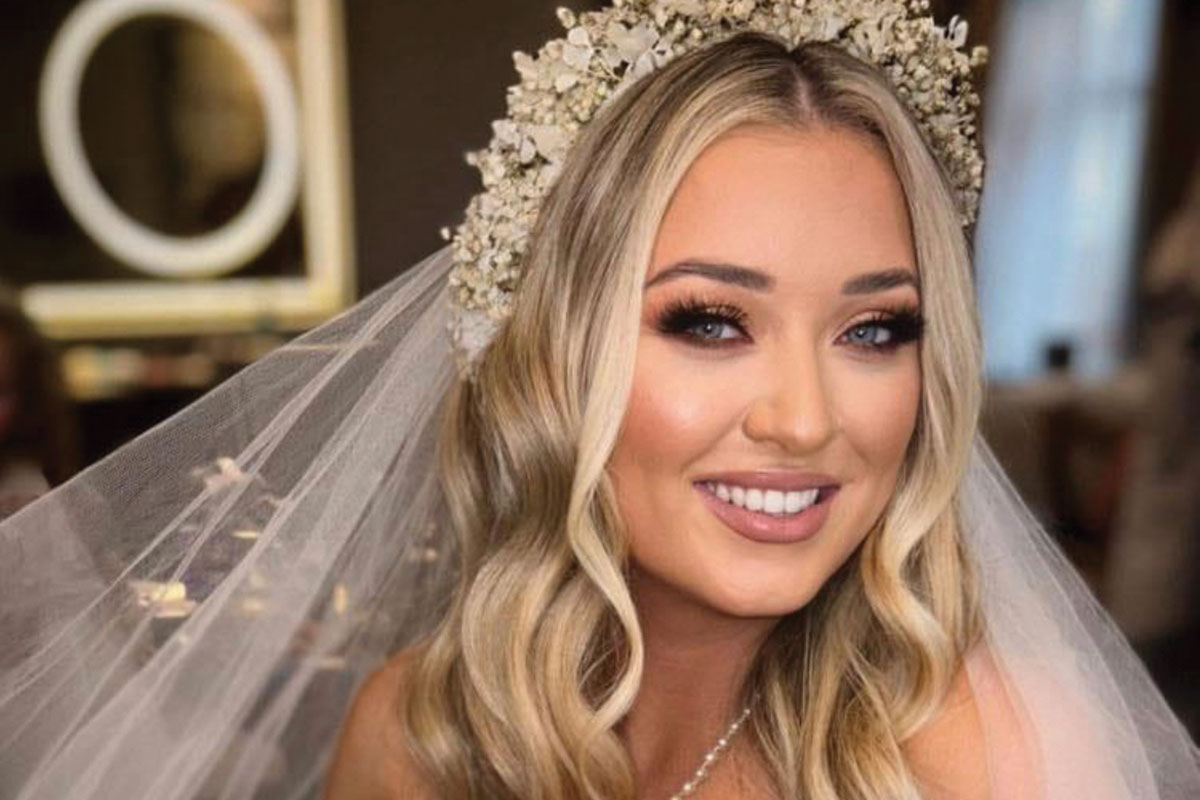
"It's the little things that make you who you are" says makeup artist Nicole Young. "Your freckles, your smile lines, the shape of your eyes. Embrace them, they're not imperfections, they're you're signature"! (Photo: Eleganza Sposa)
What beauty changes should you avoid before your wedding?
Avoid major changes to anything that is already working well – particularly close to the wedding.
A dramatic hair-colour transformation, a completely different hairstyle or an unfamiliar beauty treatment can all introduce unnecessary risk in the final weeks.
Maureen advises following your hairstylist’s guidance when it comes to trims and colour, and avoiding a sudden change of direction on the wedding morning. After all, that is one of the reasons the trial exists.
Nicole takes a similar approach to bridal makeup. Social-media trends move quickly, but your wedding photographs will last much longer.
Rather than recreating whatever look happens to be viral, the aim should be makeup that enhances your natural features and still feels recognisably like you.
“What is your favourite feature?” is the first thing Nicole asks her brides when they sit in her glam chair for the first time.
It shifts the starting point away from what needs to be ‘fixed’ and towards what the person already loves about their appearance.
Should you diet before your wedding?
Crash diets and extreme fitness routines are rarely the best route to feeling good before a wedding.
Lisa warns against restrictive dieting or endless cardio in pursuit of a particular number on the scales.
Approaches like these can leave you feeling tired, stressed and low in confidence at exactly the time you want to feel your best.
A more balanced routine – including regular meals, hydration, movement, sleep and strength training – is more likely to support both physical and mental wellbeing over time.

Fitness coach Lisa Scott is a recent bride herself – making her even better placed to help you build a realistic timeline of fitness goals. (Photo: Your Day Unplugged)
When should you wash your hair before your wedding?
Helen recommends washing your hair the day before the wedding rather than on the morning itself.
This gives the hair a chance to remain fresh while also helping it hold styling more effectively.
Your own hairstylist may advise differently depending on your hair type, chosen style and products, so this is something worth confirming at your trial.
When should you get your eyebrows done before your wedding?
Allow a few days between a brow appointment and the wedding.
Nicole recommends avoiding brow treatments immediately before the big day so any redness or sensitivity has time to settle naturally.
The same principle applies to unfamiliar beauty treatments more generally: the final few days are not the ideal time to experiment.

If you've already picked out any head/hair pieces, bring them along to your trial, advises hairstylist Maureen Crolla.
What should you eat on your wedding morning?
Even if nerves affect your appetite, eating breakfast can help support your energy throughout a busy and emotional morning.
Lisa’s advice is simple but easy to overlook: don’t skip breakfast.
A balanced meal can help maintain energy levels and keep blood sugar steadier during a morning that may involve hours of getting ready, photographs, travelling and, eventually, the ceremony itself.
If nerves tend to affect your appetite, think ahead about foods you know you can comfortably manage rather than leaving the decision until the morning.
How can you keep your wedding morning calm?
Good preparation can remove several avoidable jobs and distractions from the getting-ready space.
Helen recommends steaming dresses the night before where possible.
If that isn’t practical, steam them in a separate room from where hair and makeup are taking place.
Steam and humidity can quickly affect styled hair, while dress steaming also becomes another task competing for space and attention on an already busy morning.
Maureen also suggests thinking practically about the venue and weather when deciding on a hairstyle.
A style chosen with the conditions in mind has a better chance of staying in place from the ceremony through to the final dance.

A calm, stress-free getting ready space can make all the difference.
How should you deal with tears without ruining your wedding makeup?
Blot rather than wipe.
No makeup is completely cry-proof, Nicole points out, so technique matters when the happy tears arrive.
Instead of wiping across the eyes, gently blot tears away using a cotton bud or powder puff.
Keeping both in a small touch-up kit is an easy way to deal with tears without unnecessarily disturbing the makeup around the eyes.
The bridal beauty habits worth remembering
Wedding beauty preparation does not need to mean changing everything about yourself before the big day.
Often, the most useful decisions are also the simplest: book trials in good time, stick with routines that already work, avoid dramatic last-minute changes, eat properly, get enough rest and listen to the professionals you have chosen.
Trends can provide inspiration, but the aim is not to look like a different person on your wedding day.
The best bridal beauty plan is one that helps you feel healthy, comfortable and unmistakably yourself.
Bridal beauty FAQs
Around six to eight weeks before the wedding is a useful guideline, giving you time to make adjustments without leaving too long between the trial and the wedding itself.
Scottish wedding hair stylist Helen Livingstone recommends washing it the day before so it remains fresh but has enough texture to hold the chosen style. Always check with your own stylist, as advice can vary depending on hair type.
Follow the instructions given by your makeup artist. More importantly, bring references and be ready to explain what you normally like or dislike about your makeup so the finished look feels like you.
Allow a few days between a brow treatment and the wedding so any redness or sensitivity has time to settle.
Yes. If you intend to wear tan on the wedding day, trialling it before or alongside your makeup trial allows your makeup artist to work with the correct skin tone.
Avoid dramatic last-minute changes. If you are considering a significant colour change, speak to your stylist well in advance and leave time to make adjustments if needed.
A cotton bud and powder puff are great for gently blotting tears. Ask your makeup artist whether there are any specific products they recommend carrying for your chosen look.