From civil ceremonies and registry office weddings to humanist ceremonies in Scotland, here’s how each option works – plus the pros, legalities and key differences explained

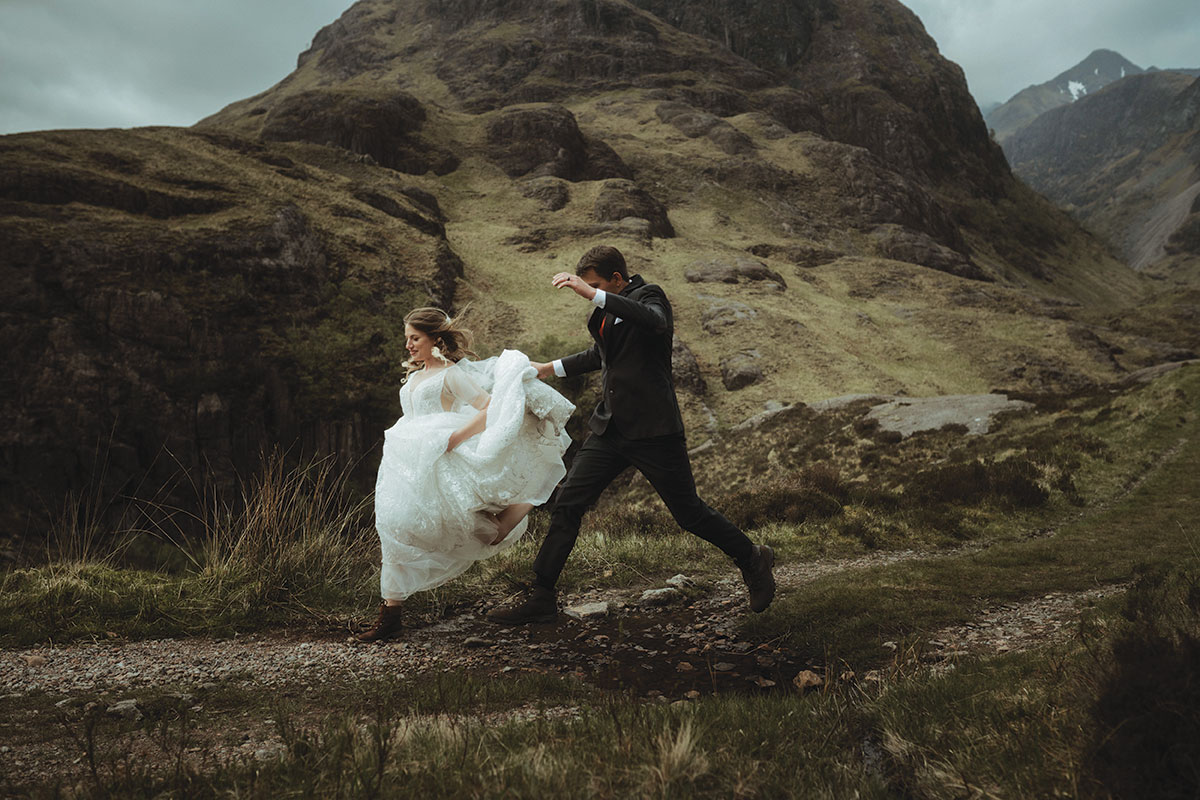
A happy couple married by The Scottish Celebrants (Photo: Corinne Moffat Photography)
If you’re planning a wedding ceremony in Scotland, one of the first decisions you’ll make is what type of ceremony to have. Whether you’re considering a registry office wedding, a humanist ceremony, or a religious wedding, each option comes with different legalities, levels of personalisation and location flexibility.
This guide breaks down the key differences between civil and humanist weddings in Scotland, answers common questions, and helps you decide which ceremony style is right for you.
Jump to:
What are the main types of wedding ceremonies in Scotland?
In Scotland, there are two legal categories of marriage ceremony:
1. Civil ceremony (registrar-led)
A non-religious ceremony conducted by a registrar.
2. Religious or belief ceremony
A ceremony conducted by an authorised celebrant, including:
-
Religious weddings (e.g. Church of Scotland, Catholic Church)
-
Humanist weddings
-
Interfaith or other belief-led ceremonies
Unlike elsewhere in the UK, marriage in Scotland is authorised by the person, not the place. That means many ceremonies can take place almost anywhere, with permission.

(Photo: The Wedding Creative)
Civil ceremony Scotland: everything you need to know
What is a civil ceremony?
A civil ceremony in Scotland is a legally binding, non-religious wedding conducted by a registrar.
Where can a civil ceremony take place?
-
Registry office (such as Glasgow City Chambers)
-
Approved venues such as hotels or event spaces
-
Outdoor locations or private homes (with registrar agreement)
Important: Civil ceremonies cannot take place on religious premises.
Can you personalise a civil ceremony?
Yes, but with limits:
-
You can write your own personal vows
-
Readings and music can be incorporated into the ceremony
-
Couples can add symbolic gestures like handfasting or quaich ceremony
However, religious content cannot be a part of the ceremony.
What are the advantages of a civil ceremony?
-
They’re straightforward and legally managed by the registrar
-
They’re often more structured and time-efficient
-
Couples can choose from a range of flexible venue options (not just registry offices)
-
Couples receive guidance through legal paperwork

Ceremony room at 23 Montrose Street, Glasgow
Humanist weddings in Scotland: what to expect
What is a humanist wedding?
A humanist wedding is a non-religious but highly personalised ceremony conducted by an authorised celebrant. It focuses entirely on the couple, their story and their values, without religious content.
Where can a humanist ceremony take place?
One of the biggest draws of a humanist wedding in Scotland is location freedom:
-
Outdoor settings (lochs, beaches, mountains)
-
Private land or family homes
-
Wedding venues across Scotland
Note: You’ll need landowner permission, and ceremonies cannot take place in:
-
Active places of worship
-
Registry offices
Can a humanist ceremony be personalised?
Completely, this is the main reason couples choose it. Couples can choose to have:
-
A fully bespoke script
-
Personal stories and anecdotes
-
A choice of rituals (handfasting, ring warming, quaich, etc.)
-
Flexible structure and tone
What are the advantages of a humanist wedding?
-
They are highly personal and unique
-
No restrictions on content or format
-
Greater freedom of location

Celebrant Paul Browett from The Scottish Celebrants (Photo: Lou Rob Photo)
Religious wedding ceremonies in Scotland
A religious wedding is conducted by a minister, priest or other faith leader and follows the traditions of that religion.
Key points:
-
They can take place in churches or other locations (in Scotland, ministers can officiate anywhere appropriate)
-
They often include traditional structure and spiritual elements
-
They may involve venue or church-related fees

(Photo: Gemma Purdon Photography)
Civil vs humanist wedding in Scotland: key differences
Here’s a comparison of the two options:

In short:
-
Choose a civil ceremony if you want something simple and structured
-
Choose a humanist wedding if you want full creative control and personalisation
Legal requirements for getting married in Scotland
Regardless of the ceremony type, the legal process is the same for anyone getting married in Scotland.
What paperwork do you need to get married in Scotland?
-
Submit an M10 marriage notice form
-
Provide supporting documents
-
Pay the required fee
This should be done 8–10 weeks before your wedding date.
What is a marriage schedule?
The marriage schedule is the legal document required for your ceremony. If you're having a belief/humanist ceremony, this must be collected before the wedding, signed during the ceremony and returned to the registrar within three days.
If you're having a civil ceremony at a non-registry office location, the registrar will bring the schedule along and return it thereafter.
Who needs to be present?
-
You and your partner
-
The officiant (registrar or celebrant)
-
Two witnesses aged 16+
Final thoughts: choosing the right ceremony for you
When deciding between a civil ceremony and a humanist wedding in Scotland, it comes down to how much flexibility and personalisation you want.
-
If you prefer a simple, structured approach, a civil ceremony is a great option
-
If you want a fully tailored experience in a unique location, a humanist ceremony offers more freedom
-
If you don't want to worry about collecting or returning the marriage schedule paperwork before or after (e.g. if you're getting married in a location that's not close to home), a civil ceremony might be worth considering
FAQs: wedding ceremonies in Scotland
A registry office wedding is a civil ceremony held in a registration office and conducted by a registrar. It’s one of the most straightforward options.
Yes, as long as the celebrant is authorised to conduct legal marriages.
Yes. Scotland is one of the most flexible places in the UK for outdoor weddings, particularly for humanist and religious ceremonies.
No, but you still need to complete legal paperwork and submit to/collect from the registrar's office that's local to your venue (NB not necessarily your local authority office).
Humanist weddings have grown significantly in popularity, but civil ceremonies (including registry office weddings) remain a common choice.
While civil and humanist ceremonies are the most searched, there are other options:
-
Interfaith ceremonies (blending traditions and can incorporate/honour different religious beliefs)
-
Civil partnerships (for couples who prefer a legal union without marriage)
- Agnostic wedding ceremonies (for those who might consider themselves spiritual not religious)